Powerful Earthquake Strikes Southern Japan, Dozens Missing Amid Widespread Devastation
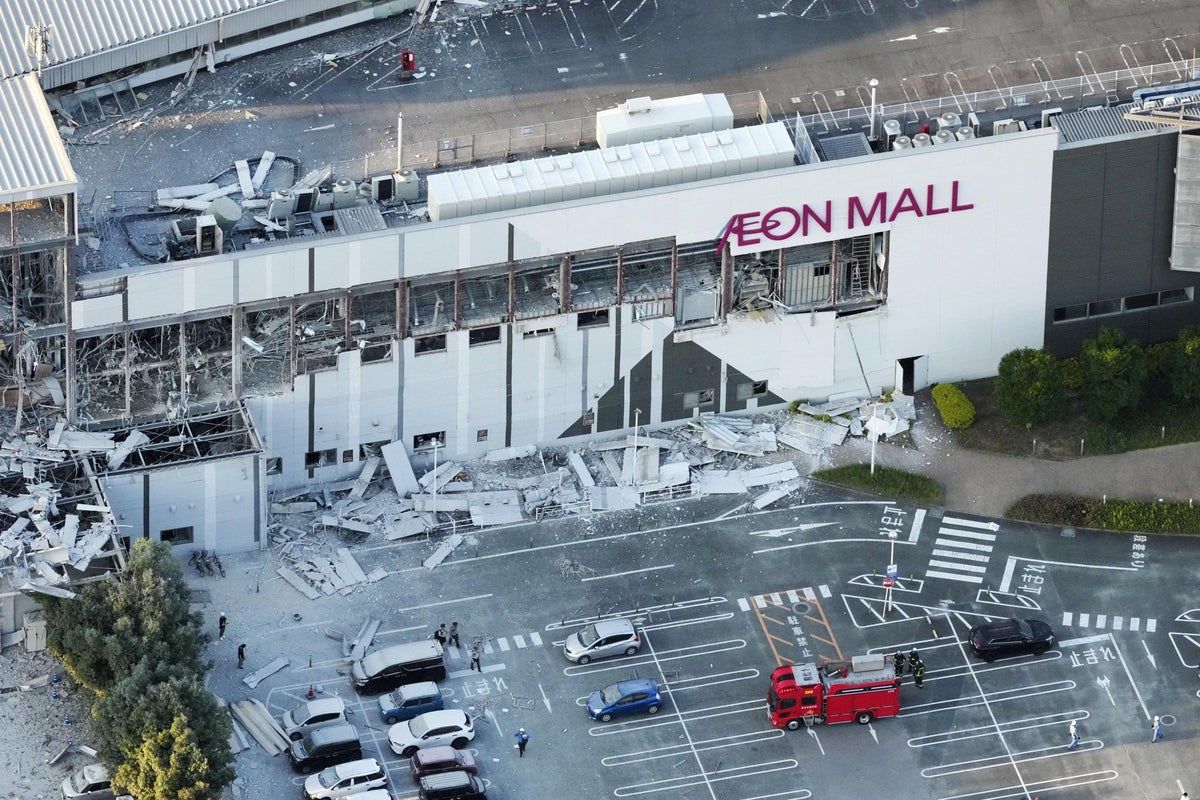
A powerful 7.1-magnitude earthquake convulsed the southern Japanese island of Kyushu early Saturday, unleashing a torrent of destruction that included landslides, collapsing buildings, and widespread infrastructure damage. The seismic event, which followed a significant 6.2-magnitude tremor on Thursday that already rattled the region, has left dozens of people unaccounted for, raising fears of a rising death toll.
Early reports, still being pieced together amidst the ongoing chaos, indicate at least one confirmed fatality. However, with search and rescue operations in their nascent stages, authorities are bracing for the possibility that this number could climb significantly. The Japan Meteorological Agency, while confirming the quake's intensity, has stated that no tsunami warning has been issued, a small but crucial piece of information in the immediate aftermath of such a devastating event.
The sheer force of the earthquake left an estimated 50,000 homes plunged into darkness, severing vital power lines and exacerbating the challenges faced by emergency responders. Authorities are engaged in a desperate race against time, scrambling to assess the full extent of the damage across a wide swathe of Kyushu and to locate the growing number of individuals reported missing. The island, known for its active volcanic geology and susceptibility to seismic activity, is now grappling with one of its most severe earthquakes in recent memory.
The earthquake struck at a depth of about 10 kilometers (6 miles) near Kumamoto, a city on Kyushu island.
Residents who endured the terrifying ordeal described scenes of utter chaos. Buildings that had withstood the initial Thursday tremor were reduced to rubble by Saturday's more powerful jolt. Roads buckled and fractured, creating impassable barriers that have severely hampered the movement of emergency vehicles and rescue teams. The landscape itself has been dramatically altered, with reports of significant landslides cutting off remote villages and further isolating communities already struggling to cope.
Emergency services, comprising firefighters, police, and military personnel, are working tirelessly to reach affected areas. However, their efforts are being compounded by a relentless barrage of aftershocks, some of which have been strong enough to cause further structural damage and reignite fear among the traumatized population. The precarious state of many remaining structures means that every tremor poses a renewed threat.
The immediate focus remains squarely on search and rescue operations as the first full daylight hours reveal the true scale of the devastation. Helicopters are reportedly being deployed to survey hard-hit areas from above, searching for signs of life and assessing the accessibility of remote locations. The humanitarian response is expected to ramp up rapidly, with the Japanese government pledging all necessary resources to support the affected communities. International aid offers are also likely to follow as the global community observes the unfolding crisis.
The economic implications of the earthquake are also beginning to emerge. Kyushu is a significant industrial hub for Japan, home to major manufacturing facilities, including those of Toyota and Sony. Damage to these plants and the disruption to supply chains could have a ripple effect across the national and global economies. Furthermore, the impact on tourism, a vital sector for the region, is expected to be substantial, with many attractions and accommodations likely damaged or rendered inaccessible.
The geological context of this event is also noteworthy. Kyushu lies on the Pacific Ring of Fire, a horseshoe-shaped zone of intense seismic and volcanic activity that encircles the Pacific Ocean. The island itself is characterized by complex fault lines, and the recent seismic activity is a stark reminder of the powerful geological forces at play beneath the surface. Scientists will be closely studying the seismic data to understand the precise mechanics of this earthquake and its relationship to previous tremors in the region.
As rescue efforts continue, the resilience of the Japanese people will once again be tested. Communities are already mobilizing to support one another, sharing scarce resources and providing shelter for those displaced. The coming days will be critical in determining the fate of those still missing and in beginning the long and arduous process of recovery and rebuilding for the communities devastated by this powerful earthquake.